
How To Wholesale Real Estate In Florida: Step-By-Step (2026)
Apr 02, 2026
📌 Key Takeaways: The What, Why, & How of Wholesaling in Florida
- What it is: Wholesaling real estate in Florida is the process of securing a property under contract at a discounted price and assigning that contract to a cash buyer for a profit—without having to purchase, finance, or renovate the property yourself.
- Why do it: This strategy is best for beginner investors with limited capital, strong networking skills, and an interest in quick-turn deals. Florida's fast-growing housing market, year-round buyer demand, and steady pipeline of distressed properties make it one of the most profitable states to wholesale. Typical assignment fees are 5–10% of the property's price; many Florida wholesalers earn $10,000–$15,000+ per deal.
- How it works: Wholesaling real estate in Florida can be completed using the following steps:
- Learn Florida Real Estate Wholesaling Laws
- Partner With A Wholesale Mentor
- Understand The Florida Real Estate Market & Lingo
- Build A Cash Buyers List
- Find Motivated Sellers & Distressed Properties
- Put Properties Into Contract
- Assign The Contract To A Cash Buyer
- Close The Deal & Collect The Assignment Fee
If you’re serious about learning how to wholesale real estate in Florida, you’re in the right place. I’m going to walk you through exactly what it takes to find deals, lock them up, and flip those contracts for a profit in the Sunshine State. Florida’s not just palm trees and ocean views — it’s one of the fastest-growing housing markets in the country. With people moving here from all over for the weather, jobs, and no state income tax, demand for housing is only getting stronger.
That’s why wholesaling real estate in Florida has become such a hot play for investors. You’re not swinging a hammer or taking on a big rehab. You’re learning how to connect motivated sellers with cash buyers and getting paid in the middle. I’ve seen wholesalers here pull in five- and six-figure months simply by understanding the market, building a solid buyers list, and knowing how to structure a deal the right way. By the time you’re done with this guide, you’ll have a clear game plan for making it happen yourself.
How To Wholesale Real Estate In Florida (STEP-BY-STEP)!
Watch Alex Martinez, Founder & CEO of Real Estate Skills, break down the entire Florida wholesaling process from start to finish — exactly how to find deals, lock them up under contract, and collect your assignment fee.
What Is Wholesaling Real Estate?
At its core, wholesaling real estate in Florida is the process of finding a great deal on a property, putting it under contract, and then transferring that deal to another buyer (usually an investor) for a profit. It’s one of the fastest ways to break into real estate investing because you’re leveraging contracts instead of large amounts of your own capital. The best part? With the right strategy and knowledge of Florida’s laws, you can wholesale real estate without ever owning the property yourself.
Wholesaling real estate in Florida means contracting to buy a property (residential, multi-family, or even commercial) and then selling or assigning that contract to another buyer for a fee. You’re selling the rights to the deal, not the property itself — and that distinction is everything. The moment you start marketing the property instead of the contract, you cross into unlicensed brokerage territory under Florida Statute Chapter 475.
Florida Wholesaling Example: How John Closed His First Deal In Orlando
The best way to understand how wholesaling works in Florida is to see a real deal broken down from start to finish. John, a Real Estate Skills student in the Orlando area, closed his first wholesale deal in the Florida market within three months of joining the program, while working overnight warehouse shifts and raising a family. Here's exactly how it went.
A real estate agent John had been building a relationship with brought him a single-family property in the Orlando area: a 3-bedroom, 2-bathroom home at 1,100 square feet. The seller was asking between $250,000 and $252,000. John put it under contract at $252,000.
His cash buyer went to inspect the property and flagged some foundation issues, meaning the buyer needed the numbers to work differently. Here's where most beginners would have panicked. John didn't. He was transparent with his cash buyer about what he had under contract, told him exactly what he needed to make the deal work, and they found a solution together. Instead of walking away with his original $10,000 assignment fee, John collected $4,000 and closed the deal in 17 days, four days ahead of schedule.
📊 John's First Florida Wholesale Deal: By The Numbers
- Property: 3/2 single-family home, ~1,100 sq ft, Orlando area, FL
- Contract Price: $252,000
- Cash Out of Pocket: $0
- Assignment Fee Collected: $4,000
- Days to Close: 17 days (projected 21)
- Key Lesson: Transparency with your cash buyer protects the deal — and the relationship
The hardest part wasn't the paperwork or the numbers. It was building the right relationship with a cash buyer before the deal came together, something John did by sitting down with buyers one-on-one, learning their criteria, and being upfront that he was new. That honesty is what kept the deal alive when the foundation issues surfaced. His cash buyer told him directly: "This deal determines whether I go forward with you or not — and what you just showed me means I'm willing to work with you."
John made $4,000 on his first wholesale deal in Florida without spending a dollar of his own money, without a real estate license, and while working overnight shifts. That same week, he used what he learned to pick up his first buy-and-hold rental property for $7,000, which was cash-flowing within three days of closing.
Watch John tell the full story in his own words below, including how he found both deals, what mistakes he made, and what he'd do differently:
Wholesaling In Florida: How He Turned His 1ST DEAL Into A CASH-FLOWING Rental!
Watch Coach Peter Soros interview Real Estate Skills student John, a Florida wholesaler who closed his first wholesale deal in Orlando for a $4,000 assignment fee and turned it into a cash-flowing rental property in the same week, all while working overnight shifts and raising a family.
Why Wholesale Real Estate In Florida?
Despite a market correction from the pandemic-era highs, Florida remains one of the most target-rich environments for real estate wholesalers in the country. According to Zillow, the average Florida home value currently sits at ~$372,755, and that price correction is precisely what's creating opportunity. Motivated sellers who bought or refinanced at peak values are now facing pressure, and that pressure produces the kind of deals wholesalers live for.
The distressed inventory numbers tell the same story. According to RealtyTrac, Florida currently has 71,266 properties in foreclosure, 1,537 bank-owned properties, and 3,272 headed for auction. Miami-Dade alone accounts for 8,840 pre-foreclosures (the highest concentration of any single county in the state). That is a deep, consistent pipeline of motivated sellers who need a solution fast.
Wholesalers who focus on these distressed properties can secure contracts well below market value and create meaningful assignment fees for their cash buyers, without ever picking up a hammer or taking on a rehab. The combination of high home values, rising inventory, and a steady flow of distressed sellers makes Florida one of the most productive wholesale markets in the United States right now.
Not all Florida markets are created equal for wholesalers, though. Here's how the state's major metros compare on the metrics that matter most: median price, typical assignment fee range, deal potential, and competition level among active investors.
| 📍 Market | Median Home Price (2026) | Typical Assignment Fee Range | Deal Potential | Competition Level |
|---|---|---|---|---|
| Jacksonville | ~$299,990 | $8,000 – $20,000 | ⭐⭐⭐⭐⭐ Very High | 🟢 Lower |
| Tampa | ~$489,750 | $10,000 – $30,000 | ⭐⭐⭐⭐⭐ Very High | 🟡 Moderate |
| Orlando | ~$378,450 | $10,000 – $25,000 | ⭐⭐⭐⭐ High | 🟡 Moderate |
| Miami-Dade | ~$557,200 | $15,000 – $50,000+ | ⭐⭐⭐⭐ High | 🔴 Very High |
| Cape Coral | ~$375,000 | $8,000 – $22,000 | ⭐⭐⭐⭐ High | 🟢 Lower |
| Ocala / Inland FL | ~$275,000 | $5,000 – $15,000 | ⭐⭐⭐ Moderate | 🟢 Lower |
Median prices sourced from Redfin and Zillow (2026). Assignment fee ranges are estimates based on a 5–10% spread on distressed property contracts below median value. Competition levels reflect active investor density and market saturation. Miami-Dade note: Florida's insurance crisis adds a hidden variable to coastal deal analysis — buyers in Miami-Dade, Broward, and Palm Beach counties are factoring insurance costs 3–5x the national average into their ARV calculations, which can compress available spreads.
Essential Documents for Wholesaling in Florida
- Purchase and Sale Agreement: The contract that gives you an equitable interest in the property.
- Assignment of Contract: Used to transfer your contractual rights to another buyer.
- Lead Sheet or Property Information Form: A place to record seller details, property condition, and motivation.
- Proof of Funds Letter: Shows sellers you have the means (or access to means) to close.
- Earnest Money Deposit Receipt: Proof you’ve put down the required deposit under Florida law.
Main Wholesaling Strategies in Florida
- Contract Assignment (Recommended First): Assign your purchase contract directly to a cash buyer for a fee. This is the fastest and simplest way to wholesale real estate in Florida.
- Double Closing: Close on the property yourself, then immediately resell to your end buyer, often used when the assignment option isn’t viable.
- Wholetailing: Buy the property, make minimal improvements to clean it up, and then sell it retail to an investor or homeowner.
Wholesale Legally in Florida: Your 2026 Compliance Roadmap
Want the exact legal framework for wholesaling in Florida and every other state? Download our FREE Ultimate Guide and get the step-by-step blueprint our students use to close their first deal without a license, without cash, and without making a costly legal mistake.
Pros & Cons Of Wholesaling In Florida
For aspiring investors looking to enter the vibrant Florida real estate market, wholesaling can be an exhilarating path to take. It's a strategy that allows individuals to get involved without the significant capital typically associated with property investment.
Pros of Wholesaling in Florida
-
Educational Goldmine: Florida's real estate landscape is diverse and multifaceted, making wholesaling here an exceptional learning experience. With a lower risk and less complexity than many other types of transactions, newcomers can gain crucial market insights without heavy financial risk.
-
Minimal Financial Entry: Wholesaling in Florida requires little to no upfront capital. You can broker a deal directly with homeowners without needing to invest in property improvements or get tangled in renovation costs, making it financially accessible.
-
Profit Potential: In the bustling Florida market, profits from wholesaling are made through an assignment fee when you transfer the contract to a buyer. This fee is often 5-10% of the property's sale price. Additionally, the 'double closing' technique allows you to purchase and quickly flip a property, which can be especially profitable in Florida's fast-moving markets.
Cons of Wholesaling in Florida
-
Time Sensitivity: Florida's property market moves quickly, making time a precious commodity in wholesaling. You must find a buyer within the contract's time frame or risk losing the deal. This requires swift, decisive action and a keen understanding of market dynamics.
-
Strategic Property Selection: Choosing the right property in Florida is crucial. In any competitive market, selecting a property in a less desirable location may hinder your ability to attract investors. A prime location is a linchpin of a successful wholesale deal in the Sunshine State.
-
Buyer Matchmaking: Your goal is to connect with a buyer who's not just willing but eager to invest in Florida's unique market. Investor buyers in Florida have a range of interests, from beachfront properties to urban condos. Identifying the right buyer takes a deep understanding of regional preferences and market trends.
Student Success Stories: Aaron
Aaron joined Real Estate Skills and closed his first wholesale deal in Miami Springs, Florida, just six weeks later, without putting a single dollar of his own money into the deal. He found a property listed at $525,000, negotiated it under contract at $500,000 by offering the listing agent both sides of the commission, identified an ARV of ~$700,000 with only cosmetic repairs and a missing central AC unit needed, and found his buyer through a Facebook investor group. He negotiated the sale price up from $510,000 to $517,000 between two competing buyers and walked away with a $12,000 assignment fee at closing.
Here's what made the difference on Aaron's deal:
- He offered the listing agent both sides of the commission — the moment he did, the agent's tone shifted immediately, and he pushed to make the deal work.
- He navigated a title company switch mid-transaction, a last-minute $5,000 shortfall on closing day, and a weeklong extension — and still closed.
- He put $0 of his own money in — his buyer covered the full $5,000 EMD when Aaron assigned the contract.
At Real Estate Skills, we don't just teach theory — we hand you the systems, strategies, and support you need to actually close wholesale deals in any market, even Aaron's competitive market in Miami, FL.
How Aaron Made $12,000 Wholesaling In Florida! [INTERVIEW]
Watch Coach Peter Soros interview Real Estate Skills student Aaron, who closed his first wholesale deal in Miami, FL for a $12,000 net profit — with no prior experience and no huge bankroll.
Student Success Stories: Mustafa
Another compelling reason to wholesale real estate in Florida is the remarkable success story of our student, Mustafa. Originally from Turkey, Mustafa owned a retail business that suffered greatly due to the turbulent economy. Determined to find a more stable and profitable venture, he joined our Ultimate Investor Program. In just one month, Mustafa closed his first deal, proving the effectiveness of our training and his dedication.
Mustafa's inspiring journey from a struggling business owner to a thriving real estate investor highlights the incredible opportunities in Florida's wholesale market. His success story is a testament to what can be achieved with the right guidance and determination.
Hear Mustafa's story in his testimonial below and discover how you can replicate his success by enrolling in our Ultimate Investor Program. Florida's market is brimming with potential, and with the right tools and support, you can achieve extraordinary results.
EXACTLY How Mustafa Made $20,000 in 30 Days Wholesaling Real Estate In Florida
Watch Coach Collin interview Real Estate Skills student Mustafa, who went from a struggling retail business owner to closing his first Florida wholesale deal for $20,000 in profit — in just 30 days after joining the program.
How To Wholesale Real Estate In Florida (8 Steps)
There are eight key steps to follow when it comes to wholesale real estate in Florida. Following this path can lead to not only a successful first deal but also the creation of a framework that will allow you to build a profitable wholesaling business for years to come:
- Learn Florida Real Estate Wholesaling Laws
- Partner With A Wholesale Mentor
- Understand the Florida Real Estate Market & Lingo
- Build a Cash Buyer List
- Find Motivated Sellers & Distressed Properties
- Put Properties Into Contract
- Assign the Contract to a Cash Buyer
- Close the Deal & Collect the Assignment Fee
If you want a more visual, full in-depth guide on how to wholesale real estate in Florida, watch Alex Martinez, Founder & CEO of RealEstateSkills, explain every Florida-specific step you will need to know:
How To Wholesale Real Estate Step by Step (IN 14 DAYS OR LESS)!
Watch Alex Martinez walk through exactly how to wholesale real estate step by step — with no money, no license, and no prior experience required.
⏱️ How Long Does A Wholesale Deal Take In Florida?
Most Florida wholesale deals close in 21–30 days. Here's what a realistic timeline looks like from first contact to collected fee:
Days 1–7: Find & Analyze the Deal
Identify a motivated seller through your lead sources — pre-foreclosure filings, probate records, driving for dollars, or your agent network. Run your ARV using Florida comps, estimate repair costs, and calculate your MAO to confirm the numbers work before making an offer.
Days 7–10: Negotiate & Sign the Purchase Contract
Present your offer, address seller pain points, and execute the purchase agreement. Make sure the contract includes clear assignment language and an earnest money deposit — Florida law requires a deposit be attached to all contracts, typically 1% of the purchase price or at least $500.
Days 10–17: Market to Your Cash Buyers List
Send the deal to your vetted Florida cash buyers via phone, email, and your investor network. The stronger your buyers list, the faster this step moves — experienced Florida wholesalers with an active list often have deals spoken for within 24–48 hours of going under contract.
Days 17–21: Execute the Assignment Contract
Lock in your end buyer with a signed assignment contract that clearly specifies your assignment fee. Collect a non-refundable earnest money deposit from the buyer to secure their commitment and protect your position in the deal.
Days 21–30: Close & Collect Your Assignment Fee
Coordinate with your Florida-based title company or real estate attorney to finalize the transaction. The buyer pays the seller the agreed purchase price, and your assignment fee is disbursed at closing — just like John's $4,000 check that arrived the next morning from a title company 25 minutes away.
🏁 Average Total Time: 21–30 Days | Average Assignment Fee: $10,000–$15,000
Timeline assumes a standard contract assignment. Double closings may add 3–7 days and require transactional funding (typically 1–2% of the purchase price). Complex deals involving probate, title defects, or multiple liens can extend the timeline to 45–60 days. In coastal Florida markets like Miami-Dade and Broward, buyers may also require additional time to assess property insurance costs before committing to close — factor this into your contract deadline when negotiating.
1. Learn Florida Real Estate Wholesaling Laws
Before you can even think about putting a property under contract, you must know how to work within the laws that govern wholesaling in The Sunshine State. Because, at the very least, Florida takes real estate licensing seriously. The line between legally wholesaling a contract and engaging in unlicensed brokerage is clearly defined, but easy to cross if you don't know where it is.
The foundation of Florida's real estate law is Florida Statute Chapter 475. Here's what every wholesaler needs to know before their first deal:
- Market the contract, not the property. This is the single most important rule in Florida wholesaling. An unlicensed wholesaler can legally market their equitable interest in a purchase contract, but not the property itself. The moment you advertise the address, put up a "For Sale" sign, or represent yourself as selling the property, you cross into unlicensed brokerage territory under §475.01.
- You must hold an equitable interest. Your legal right to wholesale comes from having a signed purchase agreement with the seller. That contract gives you an equitable interest in the property — and that interest is what you assign to your cash buyer. Without a valid contract in place, you have nothing to sell.
- Earnest money is required. Florida law requires a valid earnest money deposit to be attached to every purchase contract. Typically, this is 1% of the purchase price or at least $500. A contract without a deposit is legally vulnerable and can fall apart at the title company.
- Assignment language must be explicit. Your purchase agreement must clearly state that the contract is assignable. If it doesn't, you cannot legally transfer your rights to a cash buyer without going back to the seller for a modification, which kills momentum and can kill deals.
- Penalties for violations are steep. Under §475.25, civil penalties for unlicensed real estate activity can reach $5,000 per violation. The Florida Real Estate Commission (FREC) also has the authority to issue cease-and-desist orders and refer cases to the Department of Business and Professional Regulation (DBPR).
We cover Florida's wholesaling laws in full detail in the Is Wholesaling Legal In Florida? section below, including the specific statutes, what each one means for your business, and the exact language that keeps every deal compliant. Read that section before you sign your first contract.
2. Partner With A Wholesale Mentor
Wholesaling real estate, like anything worth doing, is hard work, but you can cut into that workload by partnering with a wholesale mentor.
This mentor will reduce the number of mistakes you make in the process and help guide you toward successful deals. Don’t fall for every guru who claims to be a wholesale mentor.
Make sure to vet all your candidates by looking at their number of wholesale transactions completed and their knowledge of your local market. Also, think about what you expect from a mentor and what a mentor can expect from you.
The goal is for them to educate you on their investment strategy and not to provide you with the investment opportunity directly. A successful mentor can shorten the learning curve in wholesaling real estate and be worth their weight in gold.
3. Understand The Florida Real Estate Market & Lingo
As you find those real estate mentors, learn more about the market and terminology used in the Florida real estate market. Be prepared to use the words and terms that investors and real estate agents use when analyzing the market. Some of the key ones will include:
- After-Repair Value (or market value): The value that a property will sell for when rehab work is complete. Value is created by comps in the local market, and the closer and more similar to the subject property, the better.
- Assignment: The transfer of a contract from one person to another, usually for cash consideration.
- Capitalization Rate (or Cap Rate): The amount of the real estate value that the income will make up. Take the net rents on the property and divide them by the purchase price.
- Closing Costs: Every transaction will have closing costs associated with it, even if there are no agents involved in the transaction. These can include transfer taxes, title searches, legal fees, and, of course, real estate commissions if applicable.
- Comparables (or comps): Local properties that have sold in a recent period and are similar to the subject property. The more similar, closer, and most recently, the better. Utilize this information to create your After-Repair Value.
- Foreclosure: Homeowners who are behind on their mortgage, and the process the mortgageholder goes through to remove them from the home.
- Legal Title: The person who owns the property can transfer it. Usually, the property owner, but only when it is free and clear to have a 100% equitable title.
- Real Estate Investor: People who are buying real estate to rehab it or rent it out. Usually, your end buyer is in a wholesale transaction.
- Rehab Cost: What will it cost the investor to have the property ready to rent? Be realistic and keep your net rent amount in mind when evaluating costs. Don’t use high-end rent prices and builder-grade rehab costs. You’ll lose the confidence of your investors and, eventually, your business.
How To Analyze the Florida Market Data
Start by identifying where Florida cash buyers are most active and which properties are selling fastest in your target market:
- Recent Sales Data: Check closed sales within the last 3–6 months for your target Florida counties. Look at the sale price, days on market (DOM), and whether the property sold above or below list price. Florida Realtors publishes monthly market statistics reports broken down by county — this is your most reliable statewide source for tracking trends in real time.
- Median Home Prices: Compare local medians against the statewide Florida median (~$372,755 per Zillow) to find undervalued submarkets. Markets like Ocala (~$299,990), Jacksonville (~$299,990), and Cape Coral (~$375,000) consistently trade below the state median — lower entry points mean lower MAOs and more motivated sellers.
- High-Demand ZIP Codes: Use Redfin, Realtor.com, or Zillow to filter by ZIP code and identify areas with low inventory and fast turnover. In Florida, days on market vary dramatically by submarket — Tampa and Orlando ZIP codes are moving significantly faster than coastal condo markets, where insurance costs are slowing buyer decisions.
- County Records: Access property tax rolls, lis pendens filings (pre-foreclosure notices), and recent transfer deeds through your Florida county property appraiser or clerk of courts website. Florida's public records are among the most accessible in the country — most counties offer free online search tools. Miami-Dade, Broward, Palm Beach, Orange, and Hillsborough all have robust online portals where you can pull foreclosure filings, ownership history, and lien data without leaving your desk.
Understanding the Florida market on paper is only half the equation. The other half is knowing the right people, and in wholesaling, your network is often worth more than your marketing budget.
Building A Strong Local Network In Florida
In wholesaling, your network is your net worth, especially in a state as geographically diverse and investor-active as Florida. A strong local network gives you early access to deals, a ready pool of cash buyers, and experienced professionals who can keep your transactions from falling apart at the closing table. Here's where to start:
- Local REI Clubs: Florida has one of the most active real estate investor association networks in the country. Join clubs in your target market — the Central Florida Realty Investors (CFRI) in Orlando, Tampa REIA, the REIA of Palm Beach, and the Miami REIA are all active and well-attended. These meetings are a goldmine for finding vetted cash buyers, experienced mentors, and investor-friendly contractors — all in one room.
- Meetup Groups: Search "real estate investing Florida" or "wholesaling Miami" (or your target city) on Meetup.com to find informal networking events and deal-sharing workshops. These smaller gatherings are often where the most candid conversations about deal flow, buyer criteria, and local market conditions happen.
- Social Media Groups: Florida has dozens of active Facebook investor groups organized by city and county — search for groups specific to your target market like "Jacksonville Real Estate Investors" or "Tampa Bay Wholesalers." Participate, share deals within legal guidelines, and engage consistently. LinkedIn real estate communities are also worth joining for connecting with serious buyers and private lenders operating in the Florida market.
- Investor-Friendly Title Companies & Realtors: Not every title company in Florida is comfortable with assignment of contract transactions or double closes — find one that is before you need one. Build relationships with investor-friendly agents who have access to MLS data and are willing to bring you distressed listings. As Aaron found in Miami Springs, offering the listing agent both sides of the commission can be the difference between getting a deal under contract and losing it to another buyer.
Part of your network will include a reliable list of cash buyers who are ready to act when you bring them a deal, which leads us directly into Step 4.
10 Best States To Wholesale Real Estate (Florida Made The List!)
Before we continue, find out exactly why Florida made our top 10 list — and what sets it apart from every other state for wholesale deal flow, buyer demand, and profit potential.
4. Build A Cash Buyer List
This is where it begins to get fun for most people. Get out to networking events and meet new potential investors. There are a lot of people out there who don’t want to do the groundwork but want to own real estate.
They have the cash, you find the deal, and together, the magic happens. Why build this list before you find the property?
First, the moment you put that property into contract, your clock starts ticking towards closing, and you don’t want to lose a deal because you couldn’t find a buyer.
Second, it will help you find the property that your investors are looking for. You could find the sweetest single-family home to wholesale in Florida, but if your investors are all multi-family focused, you’ll be out of luck when trying to assign the contract or double close.
💰 How To Build A Cash Buyers List In Florida
- Attend Florida Real Estate Auctions: Florida holds a high volume of tax deed auctions and foreclosure sales, many conducted online through county-specific platforms. The all-cash bidders at these auctions are exactly the buyers you want on your list. Bring business cards, introduce yourself, and collect contact information. A single auction can add five to ten qualified buyers to your list in one afternoon.
- Local Real Estate Investor Networking Events: Attend REIA meetings, investor meetups, and wholesaling workshops in your target Florida market. Introduce yourself, explain what you do, and ask buyers about their criteria. As John discovered wholesaling in the Orlando area, sitting down one-on-one with a cash buyer over coffee — learning exactly what they want and being upfront about where you are — builds the kind of trust that keeps deals alive even when the numbers get complicated.
- Create A Website Targeting Florida Cash Buyers: Many Florida investors actively search online for wholesalers who can bring them off-market deals. A simple, locally optimized website — targeting phrases like "wholesale properties in Tampa" or "off-market deals in Jacksonville" — can generate inbound buyer leads without any paid marketing spend.
- Join LinkedIn Real Estate Groups: LinkedIn has hundreds of real estate investor groups you can join for free, many organized by state, county, and city. Florida-specific groups for Miami, Orlando, Tampa, and Jacksonville are active and populated with legitimate buyers, private lenders, and fix-and-flip operators who are actively looking for deal flow.
- Network With Florida Real Estate Agents: Experienced Florida agents — especially those who work with investors — often have deep relationships with cash buyers. Build genuine relationships with investor-friendly agents in your target market. Some will bring you distressed listings before they hit the MLS. Others will connect you directly with their buyer clients who are looking for off-market opportunities.
- Research Florida Public Records: This is one of the most powerful and underutilized strategies in Florida specifically — because Florida's county property records are among the most accessible in the country. Most counties (Miami-Dade, Broward, Orange, Hillsborough, Duval, and more) offer free online property search tools through their county property appraiser or clerk of courts websites. Pull a list of property purchases over the past 12 months and look for three things:
- Persons who make multiple purchases are usually active investors.
- Properties purchased with no mortgage or liens recorded mean an all-cash buyer.
- Properties bought and resold within one year indicate a house flipper — exactly the kind of buyer who needs a steady deal pipeline.
How To Find Cash Buyers For Wholesale Deals! [FREE & ONLINE]
Finding cash buyers is the single most important thing you can do before locking up your first Florida wholesale deal. Watch this video to learn exactly how to build your buyers list online for free — fast.
5. Find Motivated Sellers & Distressed Properties
Now, the fun part begins: finding that distressed property. The key is to find people who have a higher motivation than the money—for the divorcing couple, it is the desire for separation; for the family that lost a member, it is moving through the grieving process and closing the estate; or for the person who lost their job, it is getting out of the house debt.
The easiest market to find is those behind on their mortgage and facing foreclosure. Look for the pre-foreclosure filings at the local courthouses and begin calling and working on them. As part of your research, be sure to include a title search to find potential lien holders on the property.
Read Also: How To Get MLS Access In Florida
🔎 How To Find Motivated Sellers & Distressed Properties In Florida
- Tax Liens & Delinquent Property Taxes: Florida holds one of the highest volumes of tax deed auctions in the country — conducted county by county through online platforms like RealtyTrac and individual county tax collector websites. Homeowners facing a government tax deed sale are highly motivated — helping them resolve the debt before the auction goes to sale is a genuine solution that creates a win for both parties and gives you a below-market contract.
- Lender-Held Auctions & Pre-Foreclosures: Florida currently has over 71,000 properties in foreclosure according to RealtyTrac — the highest pipeline of any state in the Southeast. Search lis pendens filings (Florida's pre-foreclosure notice) at your county clerk of courts website. These are public records and available for free. Homeowners in this stage have time to sell before the auction date and are often receptive to fast, clean offers that let them avoid a public foreclosure on their record.
- Obituaries & Probate: Heirs who inherit Florida property often prefer a quick sale over the cost and complexity of maintaining a home they don't live in. Florida's homestead exemption adds a layer of complexity to probate real estate — the property may be protected from creditors but still requires court approval to sell, which means heirs are often motivated to move fast. Build relationships with probate attorneys in your target market — they are one of the most reliable referral sources for motivated seller leads in the state.
- Bankruptcy Cases: Property owners facing bankruptcy in Florida are often under court order to liquidate assets. Contact the property owner's attorney directly to make an offer. Building relationships with bankruptcy attorneys in your county for future lead flow is a long-term strategy that most wholesalers overlook entirely.
- Code Violations: Florida's county and municipal code enforcement departments maintain public records of properties with open violations — many of which are available online. Owners with multiple unresolved violations face escalating daily fines and are often highly motivated to sell as-is to avoid further penalties. Network with local code enforcement inspectors who can alert you to repeat violators before the property becomes widely known.
- Multiple Liens: Properties with multiple liens — HOA arrears, contractor liens, IRS liens, or municipal fines — indicate an owner in financial distress. These sellers are motivated by the relief of a fast, clean closing that eliminates their debt burden. Florida's HOA lien laws are particularly aggressive, making this a common situation in the state's large planned community and condo markets.
- For Sale By Owner (FSBO): Florida FSBO listings are worth prospecting regularly — many represent owners who couldn't sell through traditional channels because the property needs work, carries debt, or is priced incorrectly. Find Florida FSBO listings on sites like FSBO.com and Zillow's FSBO filter. These sellers are already self-selecting as motivated — they've chosen to avoid agent commissions, which signals they need to maximize their net proceeds.
- Expired MLS Listings: A property that sat on the Florida MLS and didn't sell is a signal — it was either overpriced, had condition issues, or both. These sellers have already been through the frustration of a failed listing and are often far more receptive to a wholesale offer than they were when they first listed. Pull expired listings in your target ZIP codes and reach out directly.
- The Ultimate Investor Program: Real Estate Skills' Ultimate Investor Program teaches investors how to find, analyze, and wholesale properties directly from the MLS — including distressed listings, price-reduced properties, and off-market opportunities hiding in plain sight. It's the same system Aaron used to find his Miami Springs deal listed at $525,000 and get it under contract at $500,000 with a ~$700,000 ARV.
Download Our Free Cold Calling Script
Don't let a lack of words cost you a deal. If you don't know how to talk to homeowners or real estate agents with confidence, we can help. This resource downloads our complete Wholesaling Cold Calling Script for free—giving you the exact lines to navigate objections, build rapport, and sound like a pro from your very first dial.

6. Put Properties Into Contract
Putting a property under contract means you are securing your legal right to purchase it — without actually buying it yet. The moment a seller signs your purchase agreement and you provide the required earnest money deposit, you hold an equitable interest in that property. That equitable interest is what you will later assign to your cash buyer for your assignment fee. It is the entire foundation of how wholesaling works in Florida.
This step is where most beginners feel the most pressure — and where most mistakes happen. Getting the contract right matters. The language has to be assignable, the deposit has to meet Florida's legal requirements, and your numbers have to be grounded in a solid ARV and repair estimate before you ever put pen to paper.
How to Fill Out Wholesale Real Estate Contracts (FREE DOWNLOAD)!
Before you put a Florida property under contract, make sure you know exactly how to fill it out correctly. Watch Ryan Zomorodi, COO of Real Estate Skills, walk through every section of a wholesale contract so you don't miss a thing.
After-Repair Value (ARV)
Before you make any offer on a Florida wholesale deal, you need to know what the property is worth after repairs are complete. That number is your After-Repair Value — and everything else in your deal math flows from it.
ARV = Property's Current Value + Value of Renovation
To calculate ARV accurately in Florida, pull closed sales comps within the last 3–6 months in the same neighborhood — ideally within a half mile of the subject property and within 20% of its square footage. The closer, more similar, and more recent the comp, the more reliable your ARV. Florida markets vary significantly by submarket, so always use local comps rather than city-wide averages.
Estimating Repair Costs
Once you have your ARV, you need a realistic repair estimate before you can calculate your offer. If you don't have contractor experience, bring one to the property walkthrough — just like John did on his Orlando deal. Do not understate repair costs to make a deal look more attractive to your cash buyer. Florida investors will have their own contractors run numbers, and if yours are off by more than 10–15%, you will lose their trust and the deal.
MAO Formula
The Maximum Allowable Offer (MAO) Formula tells you the highest price you can pay for a property and still leave enough room for your cash buyer to profit and for you to collect your assignment fee. Running this number before every offer is non-negotiable.
ARV – Fixed Costs – Rehab Costs – Desired Profit – Your Assignment Fee = MAO
A common starting point is the 70% rule — take the ARV, multiply by 0.70, then subtract repair costs and your assignment fee. On a Florida property with a $400,000 ARV and $40,000 in repairs, targeting a $15,000 assignment fee, your MAO works out to $225,000. That is your ceiling offer to the seller. Going above it compresses your buyer's profit margin and puts the deal at risk of falling through — exactly what happened on Aaron's Miami Springs deal when unexpected negotiation pressure emerged on closing day.
How To Negotiate A Wholesale Deal In Florida
Florida sellers aren't just selling a property — they're selling a solution to a problem. Your job is to understand that problem and present your offer as the fastest, least stressful path to solving it. Here's how to approach every seller conversation:
- Build Genuine Rapport: People do business with people they trust. Take time at the start of every interaction to connect with the seller as a person before talking numbers.
- Listen More Than You Speak: Let them tell their story. The more a seller talks, the more you learn about their real motivation — and in Florida, motivation drives price flexibility more than anything else.
- Find Common Ground: Ask about their neighborhood, how long they've lived there, what their plans are after the sale. Shared experience builds trust fast.
- Be Consistent and Reliable: Show up on time, follow through on every commitment, and respond quickly. In competitive Florida markets, sellers have options — professionalism sets you apart.
- Address Florida-Specific Seller Pain Points: Pre-foreclosure sellers need speed and certainty before their lis pendens becomes a public auction. Probate heirs need relief from carrying costs, property taxes, and HOA fees on a home they don't occupy. Tired landlords need out of a lease they can't enforce. Tailor your solution to their specific situation.
- Be Time Sensitive: Offer to close in 14–21 days when speed is the seller's priority. Florida's title process is efficient — a clean deal with an investor-friendly title company can close fast.
- Purchase As-Is: Remove the seller's repair burden entirely. Most Florida distressed sellers cannot afford to fix the property before selling — removing that contingency is often more valuable to them than a slightly higher price.
When it's time to make your pitch:
- Lead with benefits, not numbers: Explain why your offer works for them — speed, certainty, no repairs, no commissions — before you state the price.
- Use an anchored range: Start slightly below your target price to leave room for negotiation without going above your MAO.
- Offer certainty over maximum value: Many Florida sellers will accept a lower price for a guaranteed, fast close over a higher price with financing contingencies and inspection periods.
- Walk them through the process: Explain exactly what happens from contract signing to closing day so there are no surprises. Transparency builds confidence — and confidence closes deals.
Protect Yourself Legally: Always Get Contracts Reviewed
Florida's real estate laws are specific, and contract errors can be costly. Under Florida Statute Chapter 475, the line between legally wholesaling a contract and engaging in unlicensed real estate brokerage is clearly drawn — and crossing it can result in civil penalties of $5,000 per violation. Have a Florida real estate attorney review your purchase agreement and assignment contract before you use them, especially if you are assigning contracts to buyers.
Ensure every contract includes clear assignment language, a valid earnest money deposit (required under Florida law — typically 1% of the purchase price or at least $500), and any required disclosures. Revisit your contracts annually to stay current with any statutory changes.
⚖️ Pro Tip: Florida Contract Compliance
Even if you use a standard wholesale contract template, a one-time review by a Florida real estate attorney — typically $150–$300 — can protect you from disputes, fines, or deals collapsing at the closing table. It's the single lowest-cost risk mitigation step available to any Florida wholesaler. Download our attorney-drafted Wholesale Real Estate Contracts as your starting point.
Secure Your Deal with Bulletproof Contracts
In Florida, a vague contract is your biggest liability. To establish a valid, equitable interest that satisfies local regulations, your paperwork must be airtight. Download our attorney-drafted Wholesale Real Estate Contracts—including the Purchase & Sale Agreement and Assignment Contract—to ensure every deal you sign is secure, assignable, and ready for the closing table.

7. Assign The Contract To A Cash Buyer
That property is now under contract, and you have a determined number of days to get the contract assigned before either walking away or buying this property yourself. Go to the cash buyers list you established earlier and start shopping this property to the highest bidder. Work with your mentor to generate an assignment fee that covers your expenses while also keeping the contract’s price within reason for the investor.
The investor purchasing the property will likely determine whether you conduct an assignment of contract to the cash buyer or create a separate contract with the new buyer. The easiest, quickest, and most profitable way is to assign the contract to the new buyer and allow them to proceed to close.
However, sometimes it is required that you conduct a simultaneous closing - or double closing - in which you settle the initial contract purchase and then resell the property to the fix-and-flip or rental property investor.
8. Close The Deal & Collect The Assignment Fee
You’ve put in a lot of hard work. Now is the time you get to close the deal and collect the assignment fee you earned. Whether it be an assigned closing or you have two closings, you now get paid for all the hard work and effort you put into the transaction.
Is Wholesaling Real Estate Legal In Florida?
Yes, wholesaling houses is perfectly legal in the Sunshine State. Florida, like many other states, does not require wholesalers to have a real estate license as long as they follow the established guidelines when wholesaling Florida real estate.
Is Wholesaling Real Estate LEGAL? NEW Laws & Regulations In 2026!
Yes — wholesaling is 100% legal in Florida and all 50 states, but only if you do it the right way. Watch this video to understand exactly what the 2026 laws and regulations require so you never cross the line into unlicensed brokerage territory.
Florida Wholesale Real Estate Laws
Florida's real estate licensing laws are governed by Florida Statute Chapter 475. Here are the specific provisions every Florida wholesaler must understand before signing their first contract:
- §475.001 — Legislative Intent establishes that Florida's real estate licensing laws exist to protect the public in real property transactions. This is the foundation of why unlicensed activity is taken seriously — the state views real estate brokerage as a regulated profession requiring demonstrated competence and accountability.
- §475.01 — Definitions defines what constitutes a "broker" and a "sales associate" under Florida law. A wholesaler who markets a property — rather than their equitable interest in a purchase contract — risks being classified as an unlicensed broker under this definition. The distinction is critical: you are selling the contract, not the property.
- §475.011 — Exemptions outlines who is exempt from Florida's licensing requirements. This is the statutory basis for legal wholesaling in Florida — a person acting as a principal (buyer) in a transaction and assigning their contractual rights is not acting as a broker or agent and is therefore exempt from licensure requirements under this section.
- §475.25 — Discipline sets the penalties for violations of Florida's real estate licensing laws. Civil penalties can reach $5,000 per violation, and the Florida Real Estate Commission (FREC) has the authority to issue cease-and-desist orders, injunctions, and refer cases to the Department of Business and Professional Regulation (DBPR) for further action. For wholesalers, the most common violation triggering these penalties is marketing a property — putting up "For Sale" signs, advertising the address, or representing yourself as selling the property — without holding legal title or a written representation agreement with the seller.
The bottom line: wholesaling is legal in Florida as long as you market your equitable interest in the purchase contract and not the property itself. That single distinction keeps every Florida wholesale deal compliant with Chapter 475. When in doubt, have a Florida real estate attorney review your contracts and marketing language before you use them.
Read Also: Is Wholesaling Real Estate Legal In Florida?
How Much Do Real Estate Wholesalers Make In Florida?
The income opportunities in Florida are endless when it comes to wholesaling real estate. With an average assignment fee of $10,000 - $15,000, it doesn’t take long to make $100,000 in gross assignment fees in a year!
As a new wholesaler, it will take time to build up to these returns. There will be missteps along the way, and it will take time to get your process ironed out, but once you have the systems in place, you can begin seeing a return for your hard work.
To shortcut your path to achieving the highest income with real estate wholesaling, make sure you are educated and receive extensive wholesale real estate training.
Do You Need A License To Wholesale In Florida?
The short answer is no; you do not need a license to wholesale real estate in Florida.
The longer answer is that as long as you stay within the parameters of the license law, you don’t need to have a license. The key is to always market the contract - not the property - when marketing your wholesaling opportunities.
How To Wholesale Real Estate In Orlando, Florida
With its internationally known theme parks, Orlando, Florida has become a key home to many looking for wholesale real estate. The market is competitive, but there are still opportunities to be found in this market.
While the wholesaling process is virtually the same throughout the state, look to these prominent organizations in the local real estate market for some of the trends in the Orlando property scene.
- National Association of REALTORS
- Florida REALTORS
- Orlando Regional REALTOR Association
- East Polk County Association of REALTORS
How To Wholesale In South Florida
With its booming population, South Florida is a hotbed for those moving, and there are still opportunities to become a successful wholesaler in the region.
While the rules are similar to those of other parts of the state, information can still be learned by reviewing the local realtor boards.
- Florida Keys Board of REALTORS
- Key West Association of REALTORS
- Miami REALTORS
- Ocala / Marion County Association of REALTORS
Can A Realtor Wholesale Property In Florida?
A Realtor can absolutely wholesale properties in Florida. Licensed wholesalers even have advantages over non-agents when it comes to having access to distressed owners and properties.
In addition, a licensed realtor has the opportunity to market the property in traditional methods as a possible exit strategy if wholesaling doesn’t work out as intended.
Is Wholesaling In Florida Easy?
Like everything in life that is worth doing, it isn’t easy to wholesale real estate in Florida. However, there are lots of ways to make it easier on yourself.
Hire a mentor or coach, and complete the proper training like Real Estate Skills offers through the Pro Wholesaler VIP Program, the most comprehensive real estate wholesaling program available today.
Final Thoughts On Wholesaling Real Estate In Florida
While wholesaling real estate in Florida is not easy, it can be a very lucrative business model if done right. Learning the skills to wholesale real estate virtually or at a local level can help you chart your own path to financial independence and gain time freedom.
When so many other real estate businesses require substantial start-up capital and have long sales cycles, for many, wholesaling real estate provides a perfect business model that is lean, quick, fun, and, most important of all, profitable.
We hope this article has inspired you to take action to get out there and wholesale your first or next Florida property!
If you’re serious about doing your first real estate deal, don’t waste time guessing what works. Our FREE Training walks you through how to consistently find deals, flip houses, and build passive income—without expensive marketing or trial and error.
This FREE Training gives you the same system our students use to start fast and scale smart. Watch it today—so you can stop wondering and start closing.
About the Author
Alex Martinez
Founder & CEO, Real Estate Skills
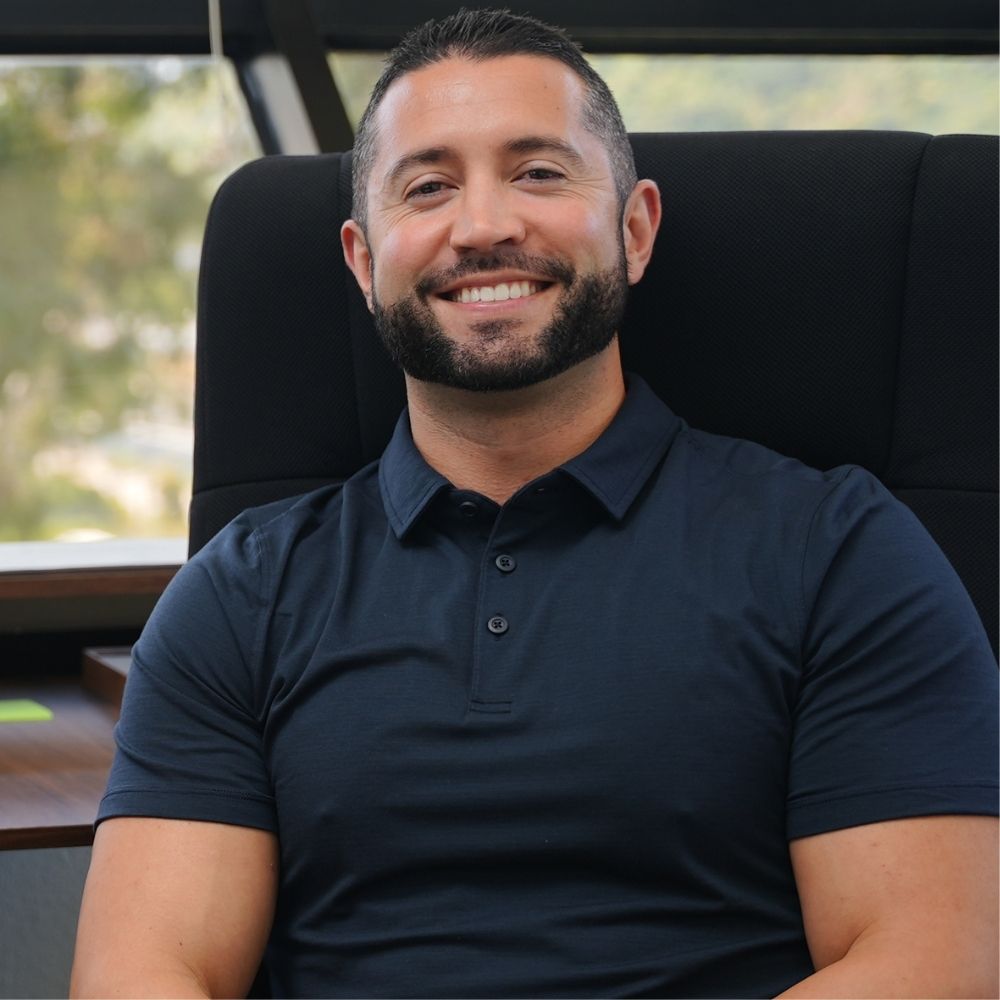
Alex Martinez is a full-time real estate investor, educator, and the Founder & CEO of Real Estate Skills. Over his career, he has personally acquired more than 33 residential investment properties, generated over $12 million in revenue, and co-led firms responsible for more than $15 million in total real estate sales. Since 2020, he has built Real Estate Skills into one of the leading educational platforms for new and experienced investors alike. He also serves as a mentor at the Lavin Entrepreneurship Center at San Diego State University, where he coaches undergraduate students in real-world business strategy.
*Disclosure: Real Estate Skills is not a law firm, and the information contained here does not constitute legal advice. You should consult with an attorney before making any legal conclusions. The information presented here is educational in nature. All investments involve risks, and the past performance of an investment, industry, sector, and/or market does not guarantee future returns or results. Investors are responsible for any investment decision they make. Such decisions should be based on an evaluation of their financial situation, investment objectives, risk tolerance, and liquidity needs.
👉FREE Training
How To Consistently Wholesale, Flip Houses, & Invest In Rental Properties From The MLS
(Without Spending $1 On Marketing)

Alex Martinez, the founder of Real Estate Skills, is known for his strong, practical expertise in real estate, starting from a beginner with no family connections in the industry to completing over 50 real estate deals, including wholesale and flips, within his first year.
He has dedicated his career to providing cutting-edge education and resources for real estate professionals. He emphasizes the importance of self-taught knowledge through mentors, books, and hands-on experience.
His journey from earning a modest income to becoming a successful real estate entrepreneur and educator showcases his expertise and dedication to the field.

Ryan Zomorodi, co-founder and COO of Real Estate Skills, leverages his experience from a diverse background in real estate investment, construction management, and entrepreneurship to provide comprehensive education in the real estate sector.
His expertise is rooted in hands-on experience, extensive industry knowledge, and a commitment to empowering others through education.
Ryan's journey reflects a blend of practical experience and entrepreneurial success, contributing to his role in developing a platform that educates and supports aspiring real estate professionals.
Read Ryan's Full Bio >>
